

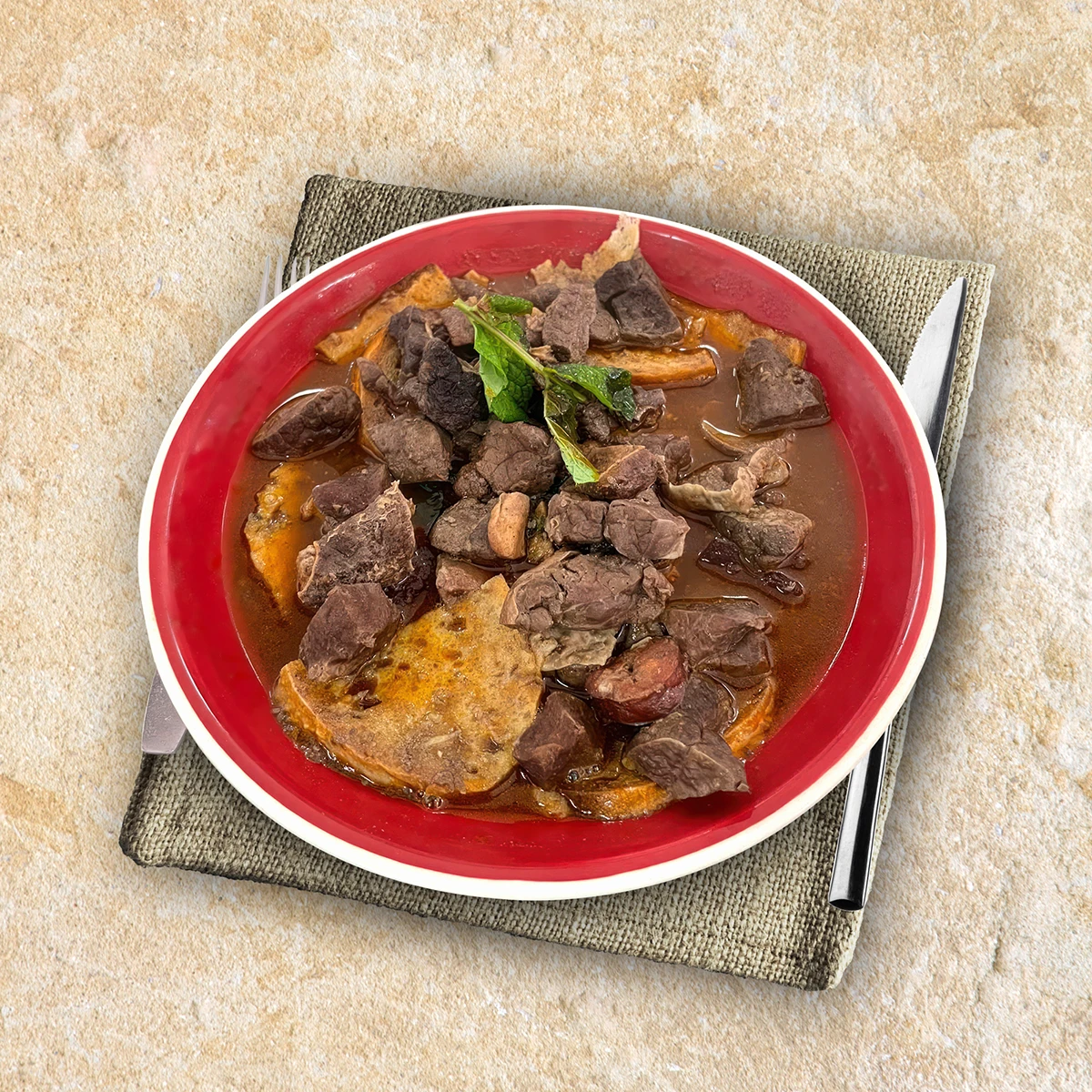
Sopas do Verde have their origin in these traditions. "Verde" still today refers to the blood obtained during the slaughter of animals. The offal is added to make the broth (a hot liquid) with a hint of mint, which is then used to soak the breadcrumbs (the soup).
From this fortunate combination, Sopas do Verde were born, which, until recently, were the main dish at wedding feasts. Seemingly a simple dish, lacking culinary adornments, why was it so highly appreciated?
Precisely because it was not for everyday use. Its preparation required the slaughter of cattle. This could not be done frequently, as the animals represented economic stability for the owner of small herds, providing income from milk, wool, and the sale of animals. Therefore, slaughter was only allowed for family celebrations, baptisms, or weddings.
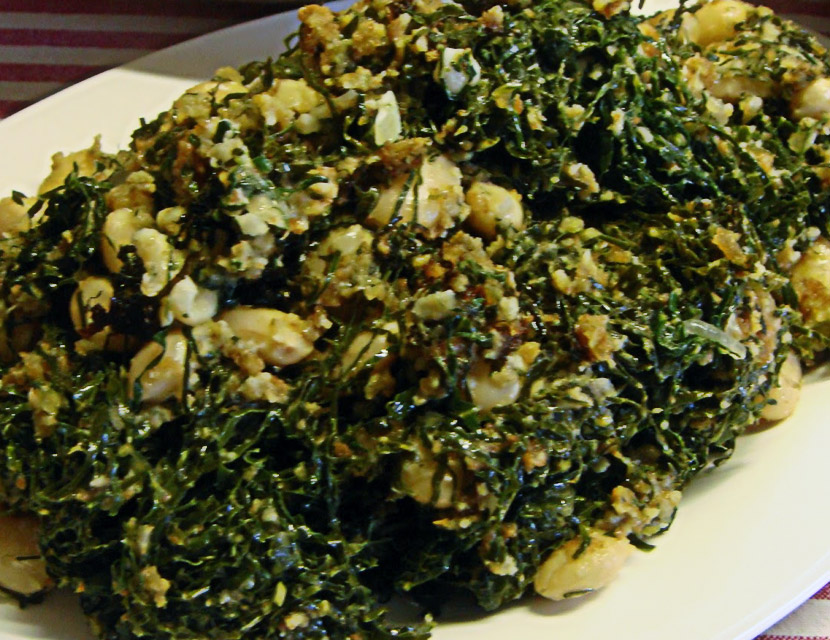
One of the dishes of the wintry season is the “Couves de Azeite” (Olive Oil Cabbage), in its multiple variants. Finely chopped cabbage boiled in salted water, to which you can choose to add small chunks of potato, white beans or butter beans. Into a deep dish, you crumble the cornbread by hand and place the drained cabbage on top. Sprinkled abundantly with olive oil, it is eaten with olives, broiled codfish or some broiled or fried “petingas” (miniature sardines).
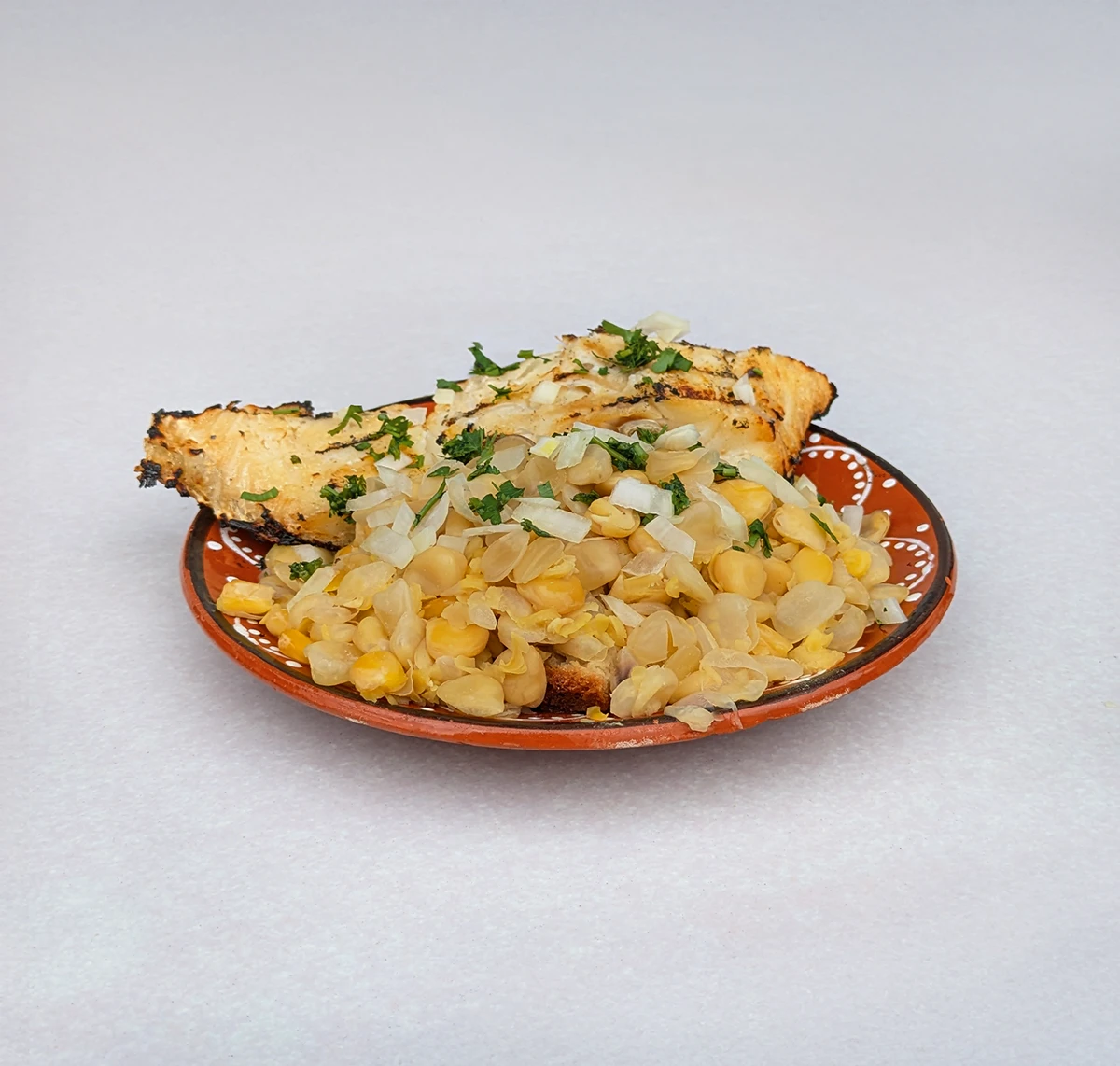
Also very popular is the chickpea dish “chícharos” accompanied by broiled codfish. (a legume very similar to the lupin in its shape, although it is wrinkled while the lupin is smooth)
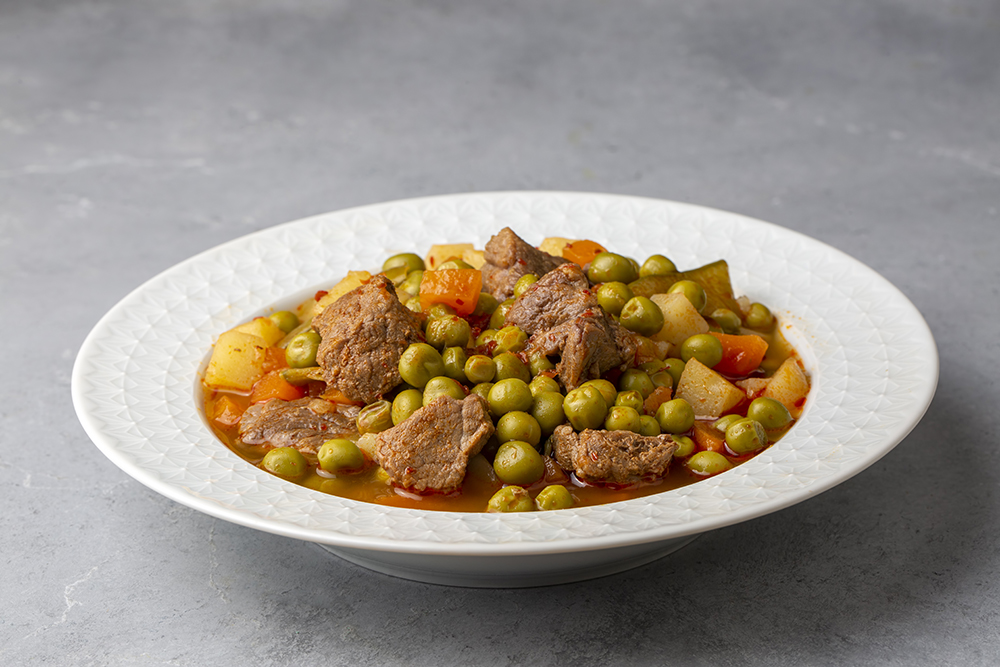
Ingredients:
1 kg of lamb, garlic, pepper, olive oil, paprika, bay leaves, parsley, onion, 0.5 kg of potatoes
Method of Preparation:
After the meat has been cleaned, it is cut into pieces. Add the seasoning and let it stand overnight. Place a pot on the heat and braise the onion. Then add the meat and the seasoning in which it was marinated and stew at medium temperature.
When the meat is almost stewed, add the potatoes cut into the quarters.
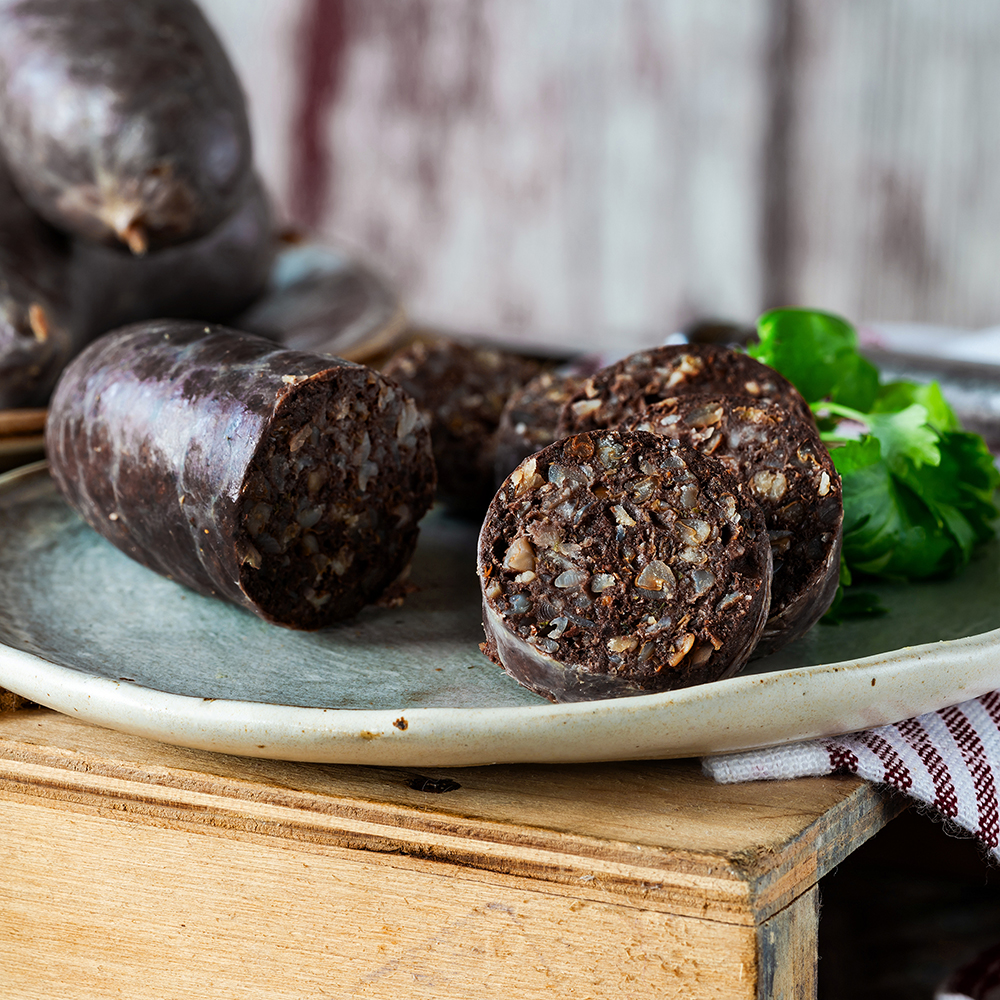
Also famous are the blood sausages “morcelas de arroz”. The larger guts are chosen. The stomach of the pig which we call bucho is also used. The seasoning of the meat is the same as for the pork sausage “chouriço” (the meat is cut into pieces, seasoned with paprika, salt, wine and finely chopped garlic, and is left to marinade for 2 to 3 days). Cumin and cloves are added before making the sausages. The rice is parboiled, drained and mixed with the blood, chopped onion and parsley. After filling the guts with this mixture, the sausages are immersed in boiling water, where they finish cooking.